
Mountain North Coaching and Consulting
In my last post, I talked about “What Is Executive Coaching?” However, most leaders new to the coaching discipline are more likely to ask—“Why should I get an executive coach?” After all, you’ve gotten this far already without much support. And here’s the truth: most people don’t hire a coach because life is falling apart.
They hire an executive coach because something—an intuition, a pattern, a friction point—keeps whispering, “You could be operating at a higher level.”
Let’s explore why leaders benefit so much from coaching and why so many high performers—from entrepreneurs to CEOs to nonprofit executives—treat executive coaching as a core part of their professional life.
1. Executive Coaching Sharpens Emotional Intelligence
IQ gets you in the door. EQ keeps you in the room.
From the EQ Edge to modern neuroscience research, we know emotional intelligence predicts:
- Trust
- Influence
- Decision quality
- Team performance
- Leadership presence
Executive coaching helps leaders strengthen the emotional skills they weren’t explicitly taught—self-awareness, emotional regulation, attunement, and the ability to respond instead of react.
Randomized trials show coaching increases psychological capital, resilience, and emotional stability (Grant, 2009; Peláez Zuberbuhler et al., 2020).
You become the calm one in the room. The grounded one. The leader people actually want to follow.
2. Working with an Executive Coach Improves Communication—Dramatically
Great leaders communicate clearly, courageously, and consistently.
Executive coaching improves:
- Difficult conversations
- Influence and persuasion
- Clarity under pressure
- Listening without defensiveness
- Team alignment
- Presence in the room
Across meta-analyses, communication is one of the strongest outcome domains in coaching research.
And as Marshall Goldsmith famously said in What Got You Here Won’t Get You There— the higher you climb, the more your success depends on interpersonal effectiveness, not technical skill.
3. Executive Coaching Helps Leaders Break Old Habits
Every leader has a few habits that cost them influence:
- Talking too much in meetings—or talking over others
- Avoiding hard feedback
- Letting anxiety hijack decision-making
- Second-guessing
- Getting lost in details. “Majoring in the minors.”
- Being overly direct, or not direct enough
- Procrastinating on uncomfortable priorities
Executive coaching makes these patterns visible—and changeable.
Using behavioral science (think: tiny shifts, immediate feedback, and accountability), coaching helps leaders build new habits that elevate their impact.
This isn’t abstract. It’s deeply practical.
4. Executive Coaching Improves Strategic Problem-Solving
Leaders are often drowning in decisions. Coaching helps you step back, think clearly, and build frameworks for high-quality, repeatable decision-making.
This is where my background as a psychologist blends with executive coaching—bringing structured thought, systems thinking, and a calm, methodical approach to complexity.
5. Executive Coaching Enhances Awareness of Workplace Dynamics
Most leaders underestimate how their teams experience them.
Executive coaching brings:
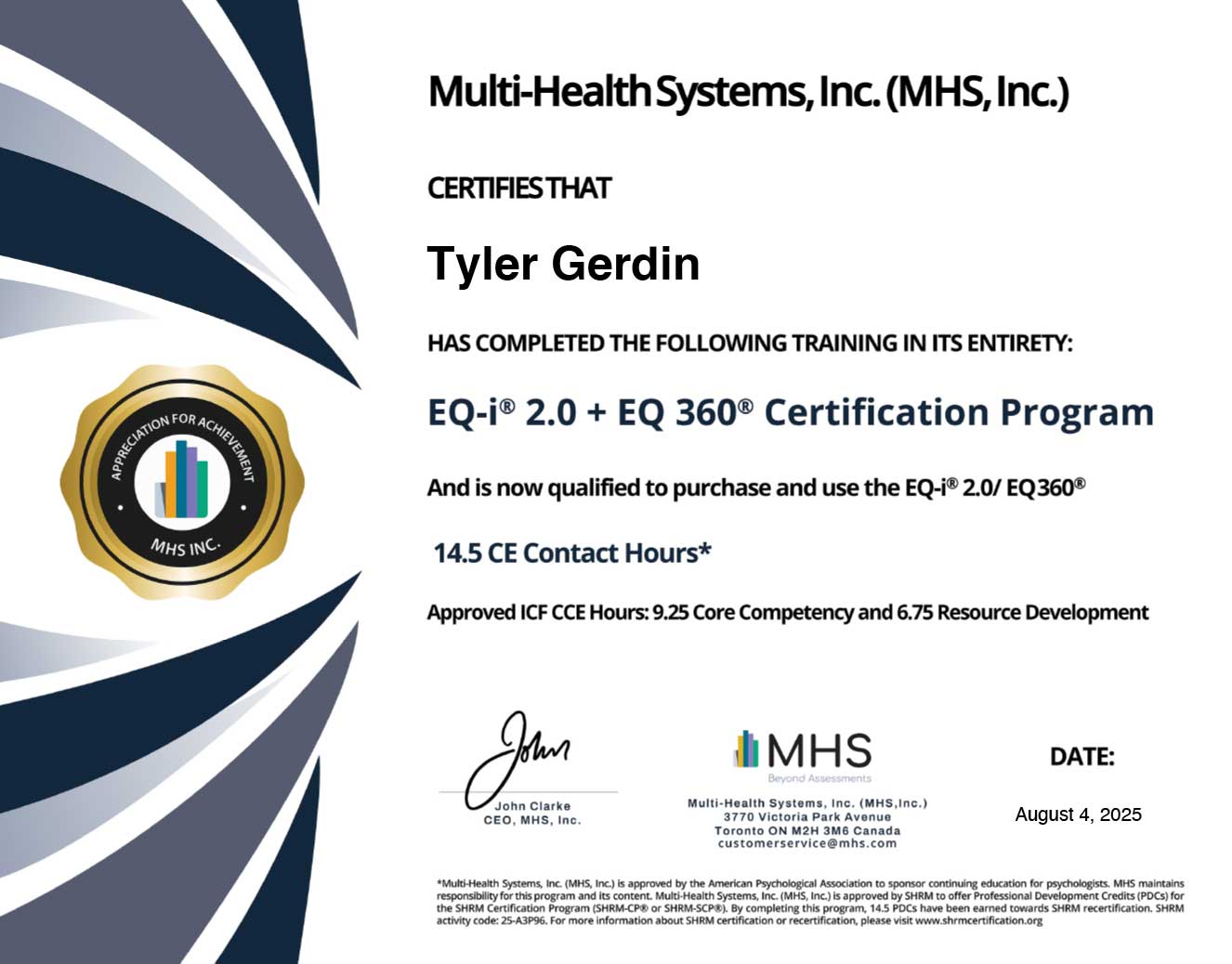
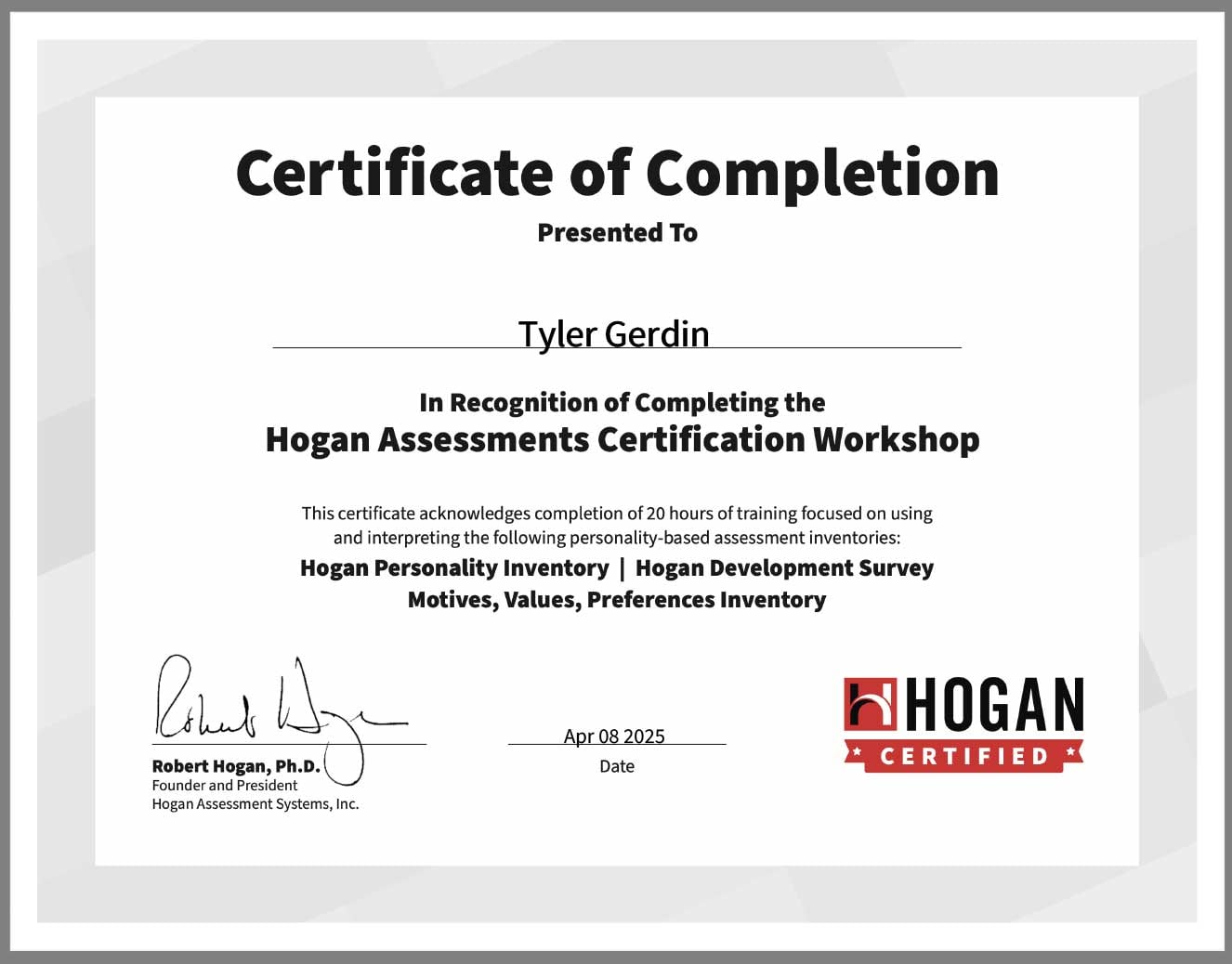
- 360-degree clarity and psychometric, research-based assessment data.
- Feedback integration
- Insight into power dynamics, team cohesion, personalities, and roles
- A sharpened sense of the “relational field” you operate in every day
In several studies, post-coaching 360s show significant improvements in manager ratings, leadership behaviors, and collaboration.
People can feel the difference. Your team becomes more cohesive, more engaged, and more aligned.
6. Executive Coaching Strengthens Leadership Effectiveness
The evidence here is robust.
Meta-analyses show executive coaching improves:
- Leadership self-efficacy
- Goal attainment
- Resilience
- Authentic leadership
- Change-oriented leadership behavior
- Problem-solving
- In-role and extra-role performance
- Engagement
- Innovation
These aren’t small effects. They’re statistically significant improvements that ripple outward across teams and organizations.
7. Executive Coaching Reduces Burnout and Improves Wellbeing
Leadership can be lonely. Burnout is common. And research shows executive coaching is an antidote.
Multiple randomized trials confirm executive coaching:
- Lowers stress and exhaustion
- Improves wellbeing
- Increases resilience
- Raises overall job engagement
Many leaders describe coaching as the first time they’ve had a confidential, nonjudgmental space to think out loud.
It’s a relief. And a reset.
8. Executive Coaching Can Improve Organizational & Financial Outcomes
To be honest, direct financial ROI is hard to isolate. Most organizations are busy ecosystems; rarely does one variable cause all the change.
But the indirect evidence is compelling:
Organizations using executive coaches often see:
- Higher retention
- Lower turnover intentions
- Better team cohesion
- Increased innovation
- Higher employee satisfaction
- Greater alignment during change
- Improved productivity and engagement
Some case studies show financial gains, but these are usually tied to broader strategic initiatives—not coaching alone. However, from your own experience, you probably see the immense monetary and time-value in improving the above factors.
The Short Answer: Why Get an Executive Coach?
Because your leadership matters. Because the way you show up shapes every room you’re in. Because you want to grow—not slowly, not accidentally, but deliberately.
Executive coaching gives you:
- Clarity
- Accountability
- Insight
- Behavior change
- Stronger emotional intelligence
- Better relationships
- More grounded decisions
- A team that functions with cohesion and trust
- A leadership identity that aligns with your values
Said briefly: Coaching upgrades the leader—so the leader can upgrade the work.